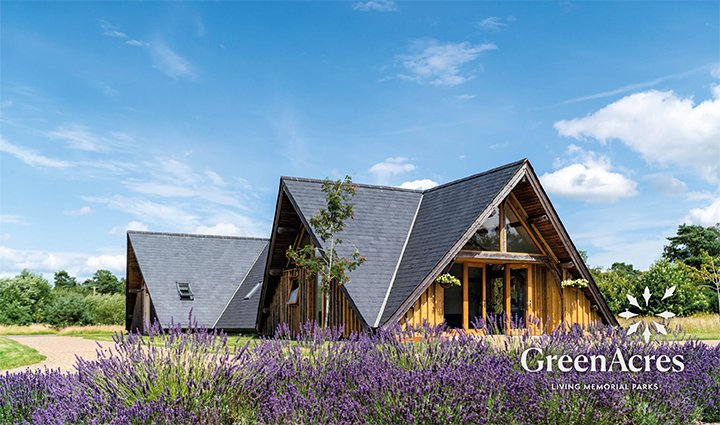
Situated in Bordon, Hampshire, GreenAcres Heatherley Park comprises 15 acres of woodland and parkland, offering a tranquil setting for services, burials, and remembrance. The Park provides a sense of calm and connection through its natural surroundings, which support healing and reflection. With a variety of memorial choices within the Lawn, Meadow, Orchard, Woodland, and Gardens experiences, Heatherley Park is a Read more…
Woodland Burials, Memorial Trees and Eco Urns in Headley
Aberdeenshire
Bedfordshire
Buckinghamshire
Caerphilly
Cambridgeshire
Carmarthenshire
Cheshire
Cornwall
County Durham
Cumbria
Derbyshire
Devon
Dorset
Dumfries and Galloway
East Ayrshire
Edinburgh
England
Essex
Glasgow City
Greater London
Greater Manchester
Hampshire
Isle of Lewis
Isle of Wight
Kent
Lancashire
Leicestershire
Medway
Merseyside
Monmouthshire
Norfolk
North Yorkshire
Nottinghamshire
Oxfordshire
Pembrokeshire
Rutland
Scotland
Scottish Borders
Shropshire
Somerset
South Yorkshire
Staffordshire
Surrey
Vale of Glamorgan
Wales
Warwickshire
West Midlands
West Sussex
West Yorkshire
Westmorland and Furness
Wiltshire
Worcestershire
Eco Memorials cover every nature-led way to remember someone, from choosing a permanent natural burial ground, to planting a tree, to scattering ashes as part of a living tribute.
Many families choose a natural burial ground as a lasting resting place, where ashes are interred within protected woodland or meadow and marked with a memorial plaque rather than a traditional headstone. Burial locations are often recorded precisely, some sites use GPS or what3words coordinates, so the exact spot can always be found again. Choosing this option also supports the land itself, most natural burial grounds are actively managed to encourage wildlife and biodiversity, so the site becomes richer over time rather than simply preserved.
Tree planting is another popular eco option, either through a specially designed urn that incorporates a small amount of ashes into the soil around a young tree, or through dedicated memorial woodlands where a tree is planted in someone’s memory. It’s worth knowing that ashes on their own aren’t ideal for plant growth, their high pH and salt content can actually harm root systems in large quantities, which is why most tree-planting urns use only a small measured portion combined with a soil additive designed to neutralise this.
Below you’ll find UK providers offering natural burial grounds, ashes interment, biodegradable urns, memorial tree planting and other nature-led tributes.
Is a natural burial ground different from a cemetery?
Yes, natural burial grounds are managed specifically to support wildlife and habitat, rather than laid out with rows of headstones. Burials use only biodegradable coffins or shrouds, and the site is often left to grow naturally rather than being formally landscaped.
Can you mark a natural burial or ashes interment?
Most sites don’t allow traditional headstones, but many permit a small wooden or natural stone marker, or a memorial plaque. Some sites also record the exact location using GPS or what3words coordinates, so the spot can always be found again.
What can be used as a coffin or shroud for a natural burial?
Materials need to be fully biodegradable, options typically include willow, bamboo, cardboard, wool or a cotton shroud. Embalmed bodies usually aren’t accepted, as embalming fluid isn’t compatible with natural decomposition.
Can ashes be interred rather than scattered?
Yes, many natural burial grounds offer ashes interment as an alternative to scattering, ashes are buried within the site, sometimes within a biodegradable urn, and can be marked in the same way as a full burial.
What are biodegradable urns made from? Common materials include sand, salt, bamboo, felted wool, recycled paper and other plant-based fibres, all designed to break down naturally over time.
How long does a biodegradable urn take to break down? This varies by material and location, water urns often dissolve within minutes to hours, while buried urns can take months to a few years.
Can ashes really be used to grow a tree? Yes, but only in small, carefully measured amounts alongside soil treatment, most memorial tree kits are specifically designed to balance this out safely.
Do you need permission to plant a memorial tree? On your own land, no. In a public space or on someone else’s land, you’ll need permission from the landowner or local council.