Frequently asked questions
Is it legal to scatter ashes? The quick answer
- At sea: legal, no licence or permission needed
- Beaches: legal, no permission usually needed below the high tide line
- Rivers and lakes: legal, no licence needed if you follow Environment Agency guidance
- Your own garden: legal, no permission needed
- Someone else’s land: legal with the landowner’s permission
- Church land: legal with the church’s permission
- A family grave: legal with the grave owner’s and cemetery’s permission
- Keeping ashes at home: legal, for as long as you like
There are a handful of places where the answer is usually no, which we cover below.
Do you need permission to scatter ashes?
Usually, the only question that matters is: who owns the ground?
There’s no national licence, register or form for scattering ashes. Instead, it comes down to the landowner. If it’s your land, you can go ahead. If it belongs to someone else, whether that’s a farmer, a council, a charity or a company, you need their permission first.
One thing catches a lot of people out. Being allowed to walk somewhere isn’t the same as being allowed to scatter there. Plenty of places that welcome the public still say no to scattering, or want to be asked first. So the question is never “is this place public?” It’s “who owns it, and what do they say?”
Scattering ashes by location
At sea
 Yes. No licence or permission is needed to scatter ashes in the sea anywhere around the UK coast. This is different from a full burial at sea, which needs a licence from the Marine Management Organisation.
Most families use a boat operator who knows the local waters, but scattering from the shore is legal too. Scattering Ashes at Sea in the UK covers costs, boat operators and how to arrange the day.
Beaches
Yes, in almost all cases. The area between the high and low tide lines is called the foreshore, and much of it is owned by the Crown Estate, which doesn’t ask families to apply for anything. Scattering below the high tide line means the sea carries the ashes away naturally.
Some councils have byelaws for busy beaches, but these are almost never about ashes. If the beach is inside a nature reserve or National Trust property, their rules apply on top.
Rivers and lakes
Yes. You don’t need a licence or permission to scatter ashes on rivers, streams or lakes, but the Environment Agency asks you to:
- Scatter more than 1km upstream of any point where water is taken out for drinking supply
- Stay away from buildings, marinas, and anyone swimming or fishing
- Scatter as close to the water’s surface as possible
- Avoid windy days
- Put nothing else in the water: no wreaths, wrappings or personal items
If you’re not sure whether a spot is suitable, your local Environment Agency office can advise. You’ll still need permission from whoever owns the bank if you’re standing on private land.
Reservoirs are worth a pause. Supply reservoirs are themselves drinking water sources, so scattering into them goes against the guidance above. Where can’t you scatter ashes explains what one of the biggest water companies told us about scattering on the land around them.
Your own garden
Yes, no permission needed. One thing to think about: if you ever sell the house, you won’t be able to visit freely. Some families choose a different spot for that reason.
Someone else’s private land
Yes, with the landowner’s permission. This covers farmland, estates, woodland, golf courses and any other private ground. Most landowners are happy to say yes when asked directly, and it’s worth getting the answer in writing.
Council parks and open spaces
This varies by council. Some allow it with guidance, some ask you to let them know first, and some limit it to certain areas. Your council’s parks or bereavement team will know.
Church land
Generally yes, with permission from the vicar or church authority. Many churches have a Garden of Remembrance for exactly this, and some allow scattering elsewhere in the churchyard. Policies vary between parishes, so contact the church directly.
A family grave
Yes. You’ll usually need permission from the grave’s registered owner (the holder of the “exclusive right of burial”) and from the cemetery or churchyard. Can you bury ashes in a family grave? walks through the process and costs.
Football grounds
It’s legal with the club’s permission, but it’s now rare for clubs to allow ashes on the pitch. Ashes can damage modern playing surfaces, and bigger clubs get too many requests to manage. Many offer a memorial garden, plaque or engraved brick instead. Ask your club directly. 
National Trust land
The National Trust looks at requests individually and often says yes, usually with conditions such as no markers and no visible ashes left behind. Contact the property itself rather than head office.
Where you usually can’t scatter ashes
So is it legal to scatter ashes anywhere you like? Not quite:
- Forestry England forests, which covers a huge amount of England’s public woodland, including much of the New Forest
- The Royal Parks in London, except in exceptional circumstances
- Ancient woodland looked after by the Woodland Trust (though they’re happy to help you find another of their woods)
- Mountain summits like Snowdon and Scafell Pike, where national park authorities ask people not to
- At a war grave, where the Commonwealth War Graves Commission allows ashes to be interred but not scattered
Protected wildlife sites (SSSIs) can also need official consent, which has to be requested by the landowner, not the family.
We contacted Forestry England, Natural England and United Utilities directly for their positions. Where can’t you scatter ashes in the UK? has the full detail, including how to check whether a spot is protected.
How to scatter ashes on the day
Mind the wind. It’s the biggest practical issue. Scatter with the wind behind you, low to the ground, and let the ashes fall rather than throwing them. If it’s gusty, wait.
Expect more than you think. Ashes are heavier and paler than most people expect, and they don’t vanish instantly. A quiet time of day helps.
Only biodegradable tributes. Loose, real petals are fine. Nothing plastic, wired or wrapped, especially near water.
Consider a scatter tube or water urn. They make the practical side much easier and less stressful.
Think about keeping some back. Many families keep a small amount for memorial jewellery, glass or another keepsake, so the scattering doesn’t have to be a complete goodbye.
Take your time. There’s no deadline. Scattering can happen weeks, months or years after the cremation. Choose somewhere you and your family can return to.
Scattering ashes abroad
If you want to scatter ashes in another country, check that country’s rules first. Some require paperwork or permits. The destination country’s embassy is the best place to ask.
If you’re flying, check the airline’s policy well in advance. You’ll normally need the certificate of cremation, and the container should be something that can go through an airport scanner, so avoid metal urns. Your cremation provider can advise on paperwork.
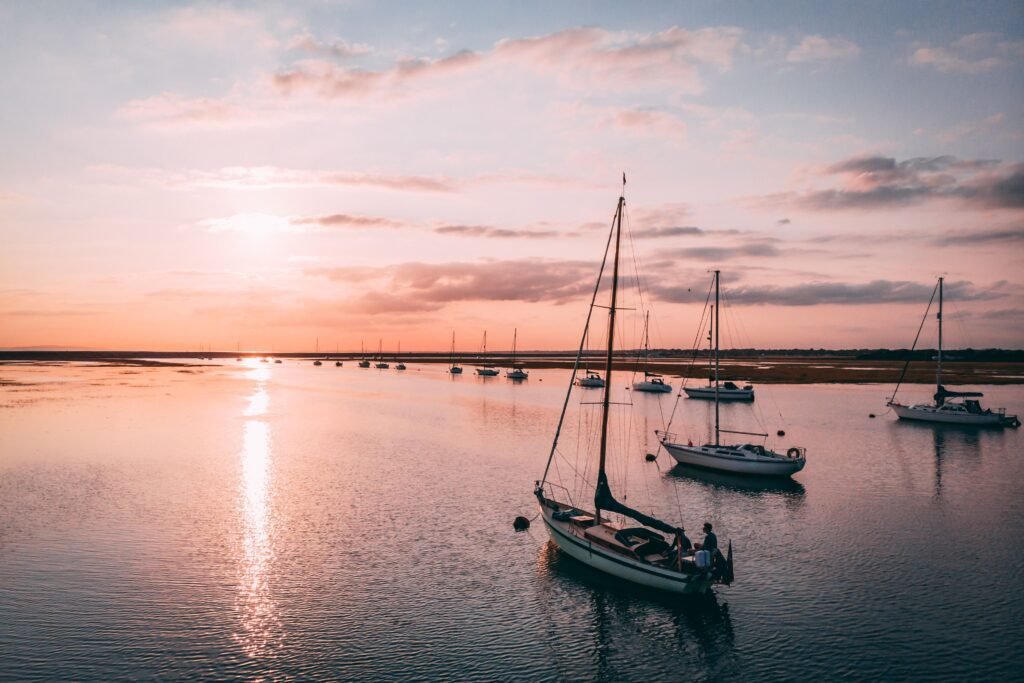
Scattering Ashes at Sea in the UK: Rules, Costs and How to Arrange It
Everything you need to know about scattering ashes at sea in the UK, including the rules, costs, Environment Agency guidance and how to arrange a boat. For families with a connection to the coast, scattering ashes at sea can be one of the most meaningful ways to say goodbye. Whether your loved one was a sailor, a fisherman, or simply someone who felt at home by the water, scattering ashes at sea offers a peaceful and personal farewell. But before you plan the ceremony, most families have the same questions. Is it legal? Do you need permission? How much does it cost? And how do you actually arrange it? This guide covers everything you need to know about scattering ashes at sea in the UK, including the rules, the costs, and how to find a boat operator near you.
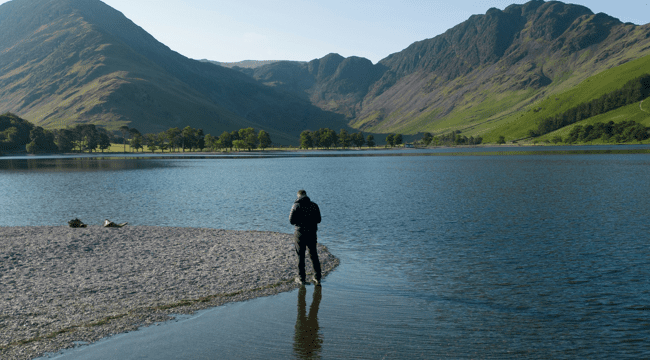
What to do with Ashes After Cremation UK
What to Do With Ashes After Cremation: A Guide for UK Families Losing someone is hard enough. Knowing what to do next shouldn’t be. If you’ve recently received the ashes of someone you love — or you’re planning ahead — you’re probably realising that nobody tells you what comes after. The cremation happens, the ashes are handed over, and then families are largely left to figure out what to do with cremation ashes on their own. The good news is that there are now more meaningful, personal, and beautiful ways to honour someone than ever before. Cremation now accounts for over 80% of all UK funerals, meaning more families than ever are navigating these decisions. This guide covers every main option available to UK families, from the traditional to the truly unique.