
What to Do With Ashes After Cremation: A Guide for UK Families
Losing someone is hard enough. Knowing what to do next shouldn’t be.
If you’ve recently received the ashes of someone you love — or you’re planning ahead — you’re probably realising that nobody tells you what comes after. The cremation happens, the ashes are handed over, and then families are largely left to figure out what to do with cremation ashes on their own.

The good news is that there are now more meaningful, personal, and beautiful ways to honour someone than ever before. Cremation now accounts for over 80% of all UK funerals, meaning more families than ever are navigating these decisions. This guide covers every main option available to UK families, from the traditional to the truly unique.
There’s No Right Answer
Before we go through the options, it’s worth saying this: there is no correct way to handle someone’s ashes. Some families act quickly. Others keep the ashes for months or even years while they decide. Some split the ashes between family members who want different things. All of it is normal, and all of it is allowed.
What matters is that whatever you choose feels right for the person you’ve lost — and for you.
What to Do With Cremation Ashes After Cremation in the UK
1. Scatter the Ashes
Scattering remains one of the most popular choices for what to do with ashes after cremation. It’s final, meaningful, and often tied to a place that mattered to the person who died.
Where can you scatter ashes in the UK?
On private land, you’ll need the landowner’s permission. On public land — parks, hillsides, moorland — there are no specific laws against it, though some locations have their own rules. The Environment Agency provides guidance on scattering ashes legally in the UK.
Rivers, lakes and the sea are generally permitted, but scattering from a boat requires some care around the distance from shore.
Popular scattering locations include:
- Favourite beaches or coastal spots
- Mountains and national parks (Snowdonia, the Lake District, the Highlands)
- A meaningful garden or countryside location
- At sea, via a dedicated ash scattering boat service
If you’d like a professional to handle the scattering — particularly at sea or from the air — there are specialist UK services that offer beautiful, dignified ceremonies. You can find them in the Celebrated Lives directory.
Drone ash scattering has also become popular in recent years — ashes are released from altitude over a meaningful location, often with video footage provided to the family.
2. Keep the Ashes at Home
Many families dealing with cremation ashes in the UK choose to keep them at home, at least initially. There’s no legal requirement to do anything with ashes by a particular date, and for many people, keeping a loved one close provides real comfort.
Ashes are typically kept in:
- A traditional urn (wood, ceramic, metal, biodegradable)
- A personalised keepsake container
- A smaller memorial box if only a portion of the ashes is being kept
There’s a wide range of styles available now — from simple and understated to beautifully crafted pieces that sit naturally in a home rather than looking like a funeral item.
3. Memorial Jewellery
One of the fastest-growing options for what to do with cremation ashes, memorial jewellery allows a small amount of ashes to be set into a wearable piece — a ring, pendant, bracelet, or charm.
The ashes are typically encased in resin, glass, or incorporated into the metal itself. The result is a discreet, personal piece of jewellery that can be worn every day.
This option works particularly well for families where several people want to keep something — each family member can have their own piece made from a small portion of the ashes.
UK companies specialising in memorial jewellery can be found in the Celebrated Lives directory.
4. Memorial Diamonds
A step beyond jewellery, memorial diamonds are created by extracting the carbon from cremation ashes and using it to grow a real diamond under intense heat and pressure.
The process takes several months and produces a genuine, certified diamond that can be set into any piece of jewellery. Colours typically range from white to blue or yellow depending on the process used.
This is one of the more premium options — costs typically start from around £1,500 and rise significantly for larger stones — but for many families it represents a lasting, extraordinary tribute.
5. A Memorial Tree or Garden Burial
For families who want something living and growing, biodegradable urns can be used to incorporate ashes into soil and plant a tree or other memorial plant.
Some dedicated memorial woodland sites across the UK allow families to plant a tree in a natural burial ground — creating a permanent, living memorial that can be visited for generations.
This option appeals strongly to families with environmental values, and it’s growing quickly in popularity as an alternative to traditional grave plots.
6. Scatter Ashes at Sea
A dedicated sea scattering service offers a dignified ceremony on the water, often with the option for family members to be present on the boat.
The ashes are scattered at a chosen location — sometimes offshore, sometimes in a specific bay or coastal area meaningful to the family. Many services provide GPS coordinates so families know exactly where the scattering took place, and some offer floral tributes, music, or a short ceremony.
You can find sea scattering services across the UK on Celebrated Lives.
7. Fireworks and Aerial Tributes
Some companies incorporate ashes into fireworks, creating a visible, celebratory tribute that reflects the life of someone who wanted a send-off rather than a sombre goodbye.
Other aerial tribute options include:
- Balloon releases (though biodegradable options are strongly recommended for environmental reasons)
- Aerial scattering from a light aircraft over a meaningful location
- Drone scattering, as mentioned above
These options tend to work well for families planning a celebration of life event, where the tribute forms part of a gathering.
8. Ashes Into Space
For the truly adventurous, companies now offer to send a small portion of ashes into space — either to Earth’s orbit, to the Moon, or on a deep space mission.
This is niche and not inexpensive, but for someone who was passionate about the cosmos, it’s genuinely extraordinary.
9. Ashes Into a Vinyl Record
A uniquely personal tribute — your loved one’s ashes are pressed into a vinyl record, which can then contain a recording of their voice, their favourite music, or a piece chosen by the family.
It’s a tactile, playable memorial that sits beautifully in a home.
10. Reef Memorials
Cremation ashes can be incorporated into an artificial reef structure that is placed on the seabed, becoming part of a living underwater environment. Over time, coral and sea life colonise the structure, and GPS coordinates allow the exact location to be visited by divers or passed on through generations.
This is a meaningful option for anyone with a connection to the sea.
Splitting Ashes Between Family Members
It’s entirely legal and very common to split ashes. There are no rules about how many portions cremation ashes can be divided into or how they’re divided. Families often do this so each person can choose their own tribute — one sibling keeps a small portion in a keepsake, another has memorial jewellery made, while the remaining ashes are scattered at a meaningful location.
Crematoriums and funeral directors will usually provide ashes in a basic container. Transferring a portion to a different vessel is straightforward.
Where to Find UK Memorial Services
If you’re still unsure what to do with ashes after cremation, Celebrated Lives is a dedicated UK directory of post-cremation memorial businesses — from ash scattering specialists to memorial jewellers, tree memorial companies, and more.
All listings are hand-reviewed, and the directory is built specifically to help families find reputable, trustworthy providers at what is often a difficult and uncertain time.
Taking Your Time Is Fine
There’s no rush. Many families find that having the ashes at home for a period of time actually helps with grief — it gives a sense of closeness before a final decision is made. Others know immediately what they want to do.
Either way, when you’re ready, the options are there. And increasingly, those options are personal, meaningful, and a genuine reflection of the person you’ve lost.
Celebrated Lives is a UK directory of post-cremation memorial services, helping families find trusted providers across every type of ash memorial, from scattering and jewellery to living tributes and unique send-offs. Browse the directory here.
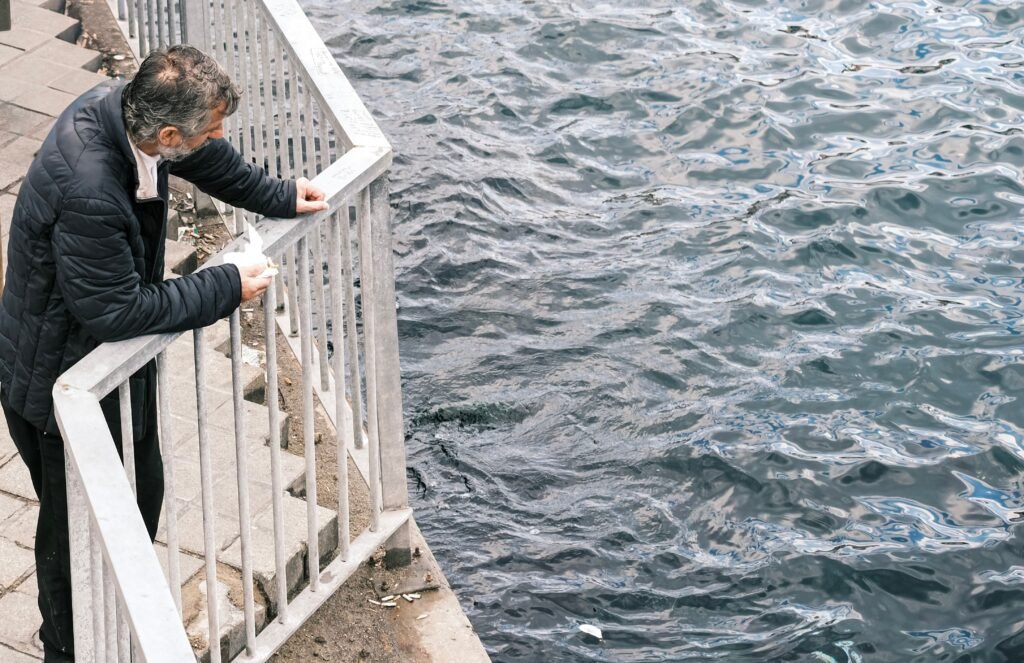
Is It Legal to Scatter Ashes in the UK? Rules & Permission (2026)
Is It Legal to Scatter Ashes in the UK? Last checked: September 2026. If you’re planning to scatter a loved one’s ashes, it’s natural to want to know you’re doing it the right way. The good news is that UK law is far more relaxed than most people expect. You don’t need a licence to scatter ashes, and in most places the only thing you need is the landowner’s permission.
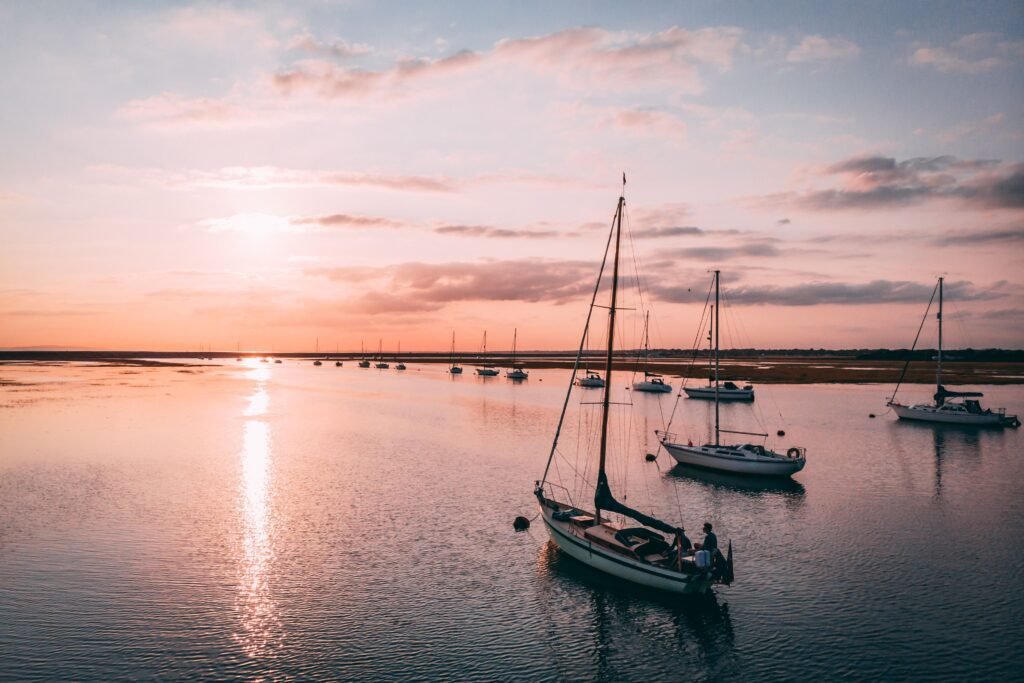
Scattering Ashes at Sea in the UK: Rules, Costs and How to Arrange It
Everything you need to know about scattering ashes at sea in the UK, including the rules, costs, Environment Agency guidance and how to arrange a boat. For families with a connection to the coast, scattering ashes at sea can be one of the most meaningful ways to say goodbye. Whether your loved one was a sailor, a fisherman, or simply someone who felt at home by the water, scattering ashes at sea offers a peaceful and personal farewell. But before you plan the ceremony, most families have the same questions. Is it legal? Do you need permission? How much does it cost? And how do you actually arrange it? This guide covers everything you need to know about scattering ashes at sea in the UK, including the rules, the costs, and how to find a boat operator near you.
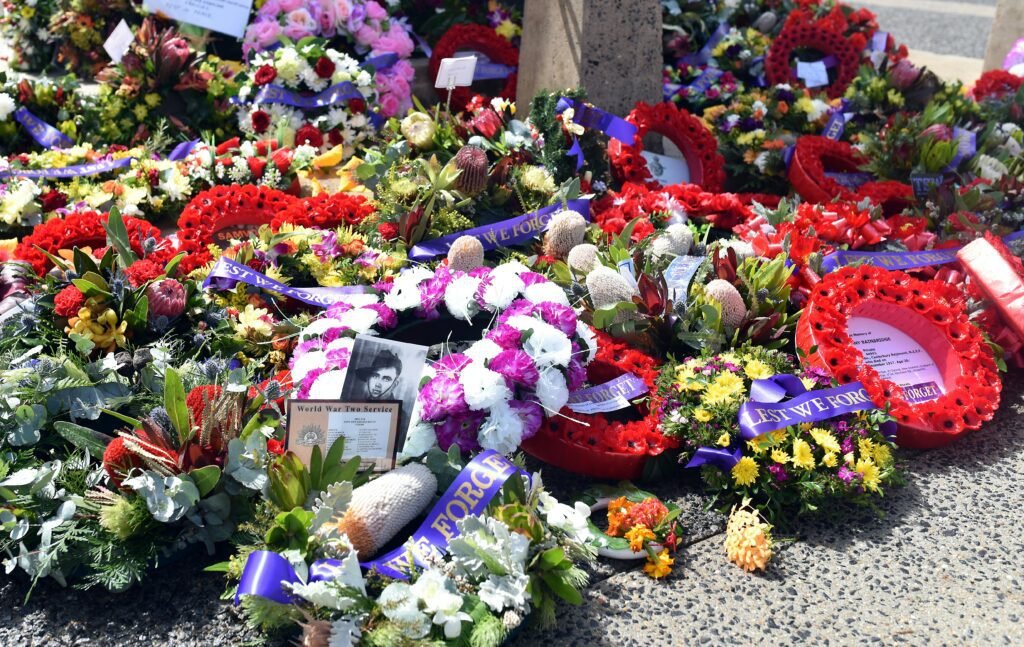
What is a Celebration of Life? 7 Essential Things to Know
What is a Celebration of Life? Losing someone you love is one of life’s most profound experiences. In the days and weeks that follow, many families find themselves asking the same question: how do we honour them in a way that truly feels right? So, what is a celebration of life? For many families, it might be the answer.