Why Pure Cremation Is Becoming the Choice More UK Families Are Making

What Is Pure Cremation, and What Do They Actually Do?
Pure Cremation is one of the UK’s leading providers of direct cremation, a simple, dignified form of cremation that takes place without a funeral service attended by mourners.
There’s no hearse procession, no funeral director standing at the front of a church, no hired venue. Instead, the person who has died is collected with care, cremated at a professional crematorium, and their ashes are returned to the family, usually by post or courier, in a presentation urn.
That’s it. Clean, simple, and increasingly chosen.
What Pure Cremation has done well is take what was once considered a “budget option” and reframe it as something else entirely: a deliberate, thoughtful choice that puts the family, not the format, at the centre of how they grieve.
Unlike many providers, Pure Cremation owns and operates its own crematoria rather than relying on someone else’s facilities. Families in England and Wales are cared for at Charlton Park Crematorium in Andover, Hampshire, or Barnby Moor Crematorium near Retford in Nottinghamshire, both purpose-built and run entirely by Pure Cremation’s own team from start to finish. For families in Scotland, where different regulations apply, cremations take place at Clyde Coast and Garnock Valley Crematorium in Ayrshire, or The Hurlet Crematorium near Glasgow.
So Why the Sudden Rise in Pure Cremation’s Popularity?
A few things are happening at once.
Firstly, the cost of a traditional funeral has risen sharply. According to SunLife’s 2026 Cost of Dying Report, the average simple attended funeral in the UK now costs £3,828, and a traditional funeral with extras can reach £4,510 or more. For many families, that kind of expense creates genuine stress at an already devastating time.
Pure Cremation, by contrast, is significantly more affordable. It removes the elements that drive up cost, the ceremony, the cars, the on-the-day coordination, and gives families back both money and control.
But cost alone doesn’t explain why so many are asking whether Pure Cremation is right for their family.
The bigger shift is cultural. Families are increasingly realising that the cremation doesn’t need to be the memorial. The two things, saying a physical goodbye to someone’s body, and celebrating their life, don’t have to happen on the same day, in the same place, in the same format.
Pure Cremation separates them. And that separation, for many families, is a relief.
“But My Family Won’t Want This” — The Objection Worth Examining
This is the most common thing people say when Pure Cremation first comes up. My family expects a proper funeral. They’d never agree to this.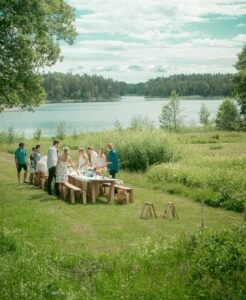
It’s worth unpacking that, because the concern is usually rooted in a misunderstanding, one that’s completely understandable.
The assumption is that choosing Pure Cremation means not having a meaningful goodbye. That there’ll be nothing to attend, nothing to mark the moment, no way for people who loved someone to come together.
But that’s not what Pure Cremation means at all.
What it actually means is that the formality of the cremation itself, the part that, let’s be honest, most families find the hardest, happens quietly, without ceremony. And then the family gets to decide, in their own time, how they want to honour the person they’ve lost.
Some families hold a celebration of life at a favourite pub or restaurant. Some scatter ashes on a beloved beach or hillside. Some commission something beautiful, a piece of memorial jewellery, a handmade keepsake, a tree planted in a special place. Some simply keep the ashes safe and private, and that’s enough.
The result isn’t less. For many families, it’s more, because it’s shaped around who that person actually was, not around a traditional format they may not have wanted.
What Pure Cremation Does That Others Don’t
There are other direct cremation providers in the UK, but Pure Cremation has built a strong reputation for a reason.
Families consistently mention the quality of communication, being kept informed at every stage, which matters enormously when you’re grieving and feeling out of control. The process is clearly explained upfront. There are no hidden costs. The ashes are returned promptly and with care.
For a service that is, by design, hands-off in its ceremony, the human touch in how it’s managed makes a significant difference.
Pure Cremation also operates nationally, which means families across England, Scotland, and Wales can access the service without worrying about geography.
The Conversation Worth Having Before It’s Needed
One of the most useful things any family can do, and this applies regardless of what kind of farewell feels right, is talk about it before the moment arrives.
Pure Cremation tends to face the most resistance when it comes as a surprise, when a family is already in shock and someone raises it for the first time. That’s not the right environment for a decision like this.
But when it’s been discussed calmly, when everyone understands that the cremation is just one part of honouring a life, and that everything else can be shaped by the people who actually knew and loved that person, the picture looks very different.
Many families who choose Pure Cremation do so because the person who died had already expressed that this was what they wanted. A simple, no-fuss goodbye, with the people they loved free to remember them in a way that felt true.
So, Is Pure Cremation Right for Your Family?
Only you and your family can answer that. But if the idea of separating a quiet, dignified cremation from a personal, meaningful celebration of life appeals to you, Pure Cremation is worth serious consideration, and it’s exactly why so many UK families are now asking the same question you are.
Where Celebrated Lives Comes In
At Celebrated Lives, we exist for the moment after the cremation, when families are ready to think about how they want to mark a life, create something lasting, or find a way to hold someone close.
Whether that’s a meaningful memorial event, a beautiful keepsake, a ceremony in a special place, or something quietly personal, we connect families with the people who do this work with care.
If you’ve chosen Pure Cremation, or you’re thinking about it, we’re here to help with what comes next.

What to do with Ashes After Cremation UK
What to Do With Ashes After Cremation: A Guide for UK Families Losing someone is hard enough. Knowing what to do next shouldn’t be. If you’ve recently received the ashes of someone you love — or you’re planning ahead — you’re probably realising that nobody tells you what comes after. The cremation happens, the ashes are handed over, and then families are largely left to figure out what to do with cremation ashes on their own. The good news is that there are now more meaningful, personal, and beautiful ways to honour someone than ever before. Cremation now accounts for over 80% of all UK funerals, meaning more families than ever are navigating these decisions. This guide covers every main option available to UK families, from the traditional to the truly unique.
What is Direct Cremation? And What Happens to the Ashes Afterwards?
What is Direct Cremation? And What Happens to the Ashes Afterwards? In recent years, the way families in the UK say goodbye to their loved ones has changed significantly. Direct cremation has grown rapidly in popularity — but there’s still a lot of confusion around what it actually means, how it differs from a traditional cremation, and importantly, what families choose to do afterwards. Whatever type of cremation you or your family has chosen, this guide is here to help.

How to Scatter Ashes in the UK — What You Need to Know
How to Scatter Ashes in the UK — What You Need to Know After losing someone you love, deciding what to do with their ashes is one of the most personal decisions you’ll face. For many families, scattering ashes in a place that meant something special feels like the most fitting farewell. But before you do, it’s worth understanding the rules — so the day itself is peaceful, meaningful, and completely worry free. This guide walks you through how to scatter ashes in the UK, covering the practical steps and legal guidance for land, sea, and everywhere in between.