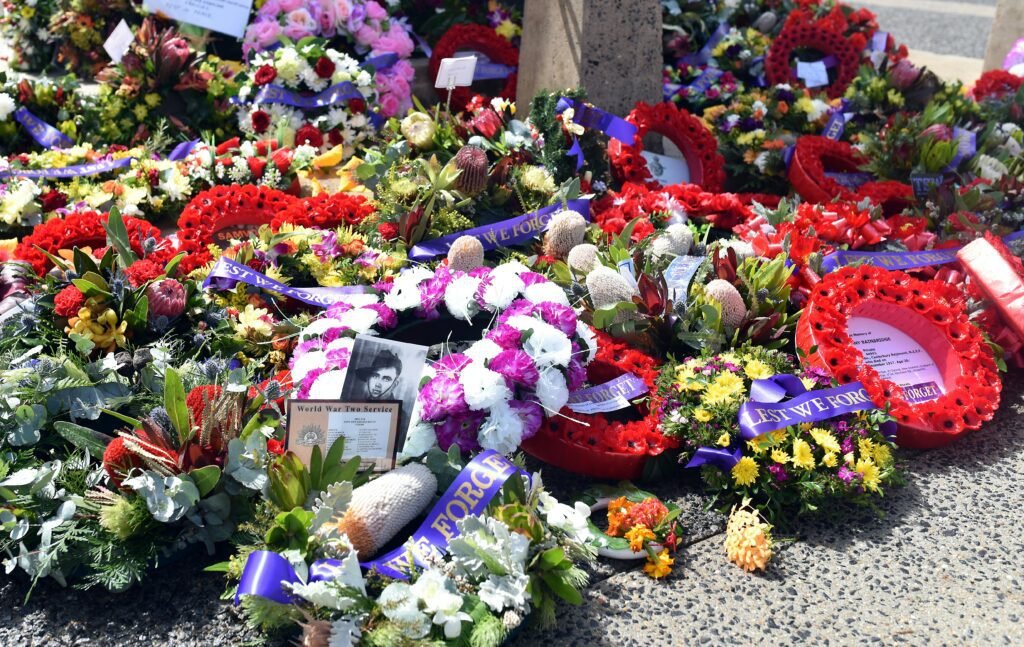
A different kind of farewell
So, what is a celebration of life exactly? It’s a memorial gathering that focuses on honouring and remembering the person who has passed, rather than mourning their loss. Unlike a traditional funeral service, which can feel formal and sombre, a celebration of life is centred around the individual — their personality, their passions, their story, and the joy they brought to the people around them.
There are no strict rules. No set format. No expectation of how it should look or feel. A celebration of life can be as unique as the person it honours.
How is it different from a traditional funeral?
Traditional funerals follow a familiar structure — a service at a church or crematorium, formal dress, hymns, and a burial or cremation. They serve an important purpose, and for many families they remain the right choice.
A celebration of life takes a different approach. It can happen at any time — days, weeks, or even months after the cremation — giving families the breathing space to plan something truly meaningful without the pressure of immediate arrangements.
It can take place anywhere. A favourite pub, a family garden, a beach where they loved to walk, a community hall filled with photographs and memories. The location, the tone, the music, the food — all of it reflects the person being remembered, not a prescribed format.
Why are celebrations of life becoming more popular in the UK?
Cremation is now the most common choice for families across the UK. According to the Cremation Society of Great Britain, the only organisation that systematically collects UK cremation data, around 80% of all deaths now result in cremation. As direct cremation in particular continues to grow, where the cremation takes place privately without a funeral service, many families are choosing to hold a separate, personal gathering afterwards to say goodbye in their own way. Understanding what is a celebration of life helps explain why so many families are choosing this route after a private, direct cremation.
A celebration of life fills that space beautifully. It gives everyone who loved that person a chance to come together, share memories, laugh, cry, and feel connected — on their own terms, in their own time. Understanding what is a celebration of life helps explain why so many families are choosing this route after a private, direct cremation.
What happens at a celebration of life?
Because there are no rules, every celebration of life looks different. But here are some of the things families commonly include:
Sharing memories and stories Whether through a formal eulogy, an open mic moment where guests are invited to share their favourite memory, or simply conversation over a meal — storytelling is at the heart of most celebrations of life.
Music that meant something Not hymns chosen from a list, but the songs they actually loved. The album they played on repeat. The song they danced to at a wedding. Music that brings them back into the room.
A meaningful location Somewhere that meant something to them. Their favourite restaurant, their local, a place in nature they returned to again and again. The right setting makes all the difference.
Personal touches A display of photographs. A table of their favourite things. A memory jar where guests write down a moment they’ll never forget. A playlist, a slideshow, a poem they loved. The small details are what make it truly theirs.
A lasting tribute Many families choose to mark the occasion with something lasting — a memorial keepsake, a piece of jewellery made from their ashes, a tree planted in their memory. Something that carries the day forward beyond the gathering itself.
Is a celebration of life only for cremation?
Not at all — a celebration of life can follow any type of funeral or burial. However, it is particularly common after cremation, and especially after direct cremation, where families have chosen a simple, private cremation and want to create their own meaningful farewell separately.
How do I plan a celebration of life?
There is no wrong way to do it. But a few gentle starting points:
Start with the person, not the logistics. Before thinking about venues or catering, sit with the question: what made them them? What did they love? What would make them smile? Let the answers shape everything else.
Involve the people who knew them. Ask family and friends to contribute a memory, a photograph, a song suggestion. Shared planning can be a comfort in itself.
Don’t rush. Unlike a traditional funeral which usually takes place within a week or two, a celebration of life can happen whenever feels right. Some families wait weeks or months. There is no deadline on remembrance.
Find the right services to help. From celebration of life planners to memorial jewellery makers, scatter ceremony services to personalised keepsakes — there are wonderful UK businesses ready to help you create something beautiful.
Where can I find celebration of life services in the UK?
Celebrated Lives is the UK’s dedicated space for finding trusted post-cremation memorial services. Whether you’re looking for a celebration of life planner, memorial jewellery, unique keepsake ideas, or simply some inspiration — browse our carefully curated collection of compassionate UK businesses, all in one place.
Browse Celebration of Life Services →
Now that you understand what is a celebration of life, every life is worth celebrating. Take your time, trust your instincts, and know that whatever you choose, it will be exactly right.
“If you’re finding the grieving process difficult, remember that support is available. The NHS bereavement support page offers helpful guidance on coping with loss.”
Is It Legal to Scatter Ashes in the UK? Rules & Permission (2026)
Is It Legal to Scatter Ashes in the UK? Last checked: September 2026. If you’re planning to scatter a loved one’s ashes, it’s natural to want to know you’re doing it the right way. The good news is that UK law is far more relaxed than most people expect. You don’t need a licence to scatter ashes, and in most places the only thing you need is the landowner’s permission.

Scattering Ashes at Sea in the UK: Rules, Costs and How to Arrange It
Everything you need to know about scattering ashes at sea in the UK, including the rules, costs, Environment Agency guidance and how to arrange a boat. For families with a connection to the coast, scattering ashes at sea can be one of the most meaningful ways to say goodbye. Whether your loved one was a sailor, a fisherman, or simply someone who felt at home by the water, scattering ashes at sea offers a peaceful and personal farewell. But before you plan the ceremony, most families have the same questions. Is it legal? Do you need permission? How much does it cost? And how do you actually arrange it? This guide covers everything you need to know about scattering ashes at sea in the UK, including the rules, the costs, and how to find a boat operator near you.

What to do with Ashes After Cremation UK
What to Do With Ashes After Cremation: A Guide for UK Families Losing someone is hard enough. Knowing what to do next shouldn’t be. If you’ve recently received the ashes of someone you love — or you’re planning ahead — you’re probably realising that nobody tells you what comes after. The cremation happens, the ashes are handed over, and then families are largely left to figure out what to do with cremation ashes on their own. The good news is that there are now more meaningful, personal, and beautiful ways to honour someone than ever before. Cremation now accounts for over 80% of all UK funerals, meaning more families than ever are navigating these decisions. This guide covers every main option available to UK families, from the traditional to the truly unique.