Cremation is now the clear favourite
According to the Cremation Society of Great Britain, the only organisation that systematically collects UK cremation data from crematoria records, around 80% of all deaths in the UK now result in cremation, the highest rate on record.
Looking specifically at how families describe the funerals they arrange, SunLife’s 2026 Cost of Dying Report found that attended cremations account for 53% of UK funerals, burials 26%, and direct cremations the remaining 21%.
When it comes to cremation vs burial UK, cremation now dominates by a wide margin, whichever way you measure it.
Direct cremation is the fastest growing option
Perhaps the most significant shift in recent years is the meteoric rise of direct cremation. According to SunLife’s own year-on-year data, direct cremations made up just 3% of UK funerals in 2019. By 2025, that had grown to 21%, a sevenfold increase in six years.
The number of direct cremations swelled during the pandemic, out of necessity, but they’ve remained popular even in the years after COVID-19 restrictions ended.
Why are families choosing direct cremation?
The reasons are varied, but a few themes emerge consistently:
Cost — Direct cremation typically costs less than half the price of a traditional funeral, making it an increasingly practical choice for families navigating financial pressure at an already difficult time.
Simplicity — Removing the pressure of organising a formal funeral service in the immediate days after a loss gives families the breathing space to grieve without logistical demands.
Freedom — Perhaps most powerfully, direct cremation puts families in complete control of how and when they say goodbye. There is no fixed format, no prescribed ceremony, no expectation of how it should look.
And crucially, 86% of families who chose direct cremation say they held a small gathering, wake, or memorial service beforehand or afterwards, highlighting how important some kind of meaningful send-off remains, even when the cremation itself is private. SunLife
The cost gap between burial and cremation is widening
The cremation vs burial UK cost gap is one of the most striking trends in recent figures.
A simple attended cremation costs £3,518 on average, while a simple attended burial costs £4,758. A direct cremation sits at £1,628, the most affordable option by a significant margin. Taking these separate prices and weighting them by popularity, the average cost of a simple attended funeral in the UK now sits at £3,828. SunLife Cost of Dying Report 2026
The UK is running out of burial space
Space, not just cost, is increasingly shaping the cremation vs burial UK picture. In a BBC News survey of 358 local authorities, around a quarter said they would run out of burial space within a decade, and 44% said they had 20 years or less of capacity remaining. Some councils, including Tandridge in the South East, had already run out of space entirely.
The Cemetery Research Group notes the problem isn’t limited to cities, rural authorities also report difficulty funding and finding land for new cemeteries, with some councils resorting to reusing older graves or reclaiming space from paths and car parks.
Green funerals are on the rise
Environmental awareness is reshaping choices too. The Natural Death Centre, the charity that maintains the UK’s list of natural burial grounds, now lists close to 300 sites across England, Wales, Scotland and Northern Ireland, up from around 50 in the late 1990s.
For those concerned about the environmental impact of cremation, natural and woodland burials are increasingly popular, and the industry is beginning to explore alternatives such as resomation (water cremation) to reduce the carbon footprint of end-of-life options.
What happens after the cremation?
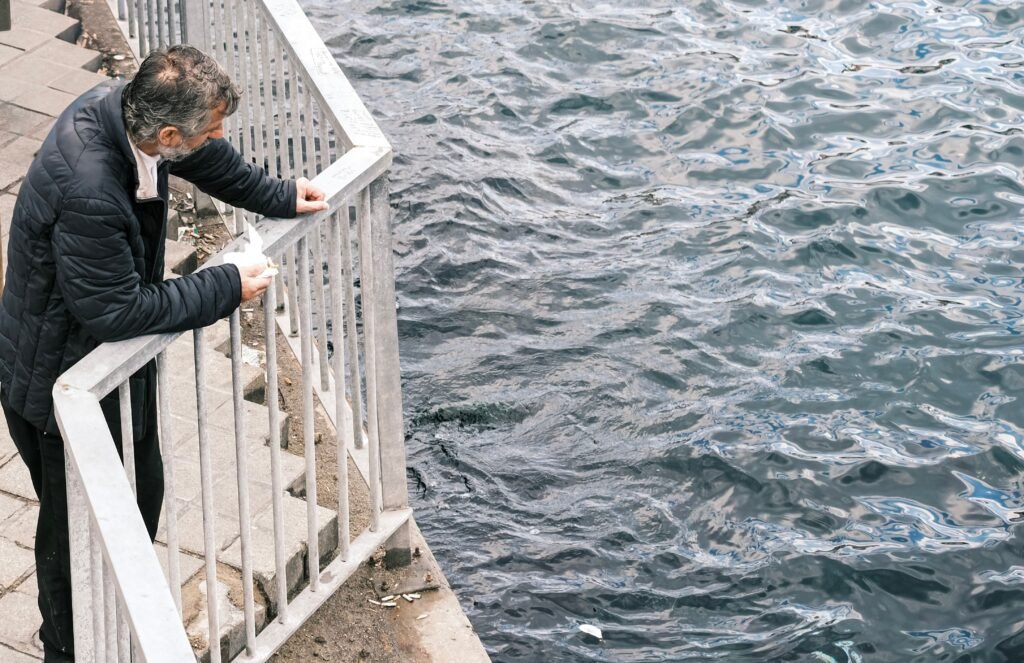
For the growing majority of families who choose cremation, the question of what to do with the ashes is one of the most personal decisions they’ll face. The options are more varied and more beautiful than many people realise, from scattering in a meaningful location, to memorial jewellery crafted from ashes, to personalised urns, keepsakes, and full celebration of life ceremonies.
Whatever feels right for you and your family, Celebrated Lives is here to help you find it.
Explore All Post-Cremation Memorial Services →
The cremation vs burial UK story is changing, and at the heart of that change is a desire for something more personal, more meaningful, and more truly reflective of the life that was lived.