What It Means When Your Family Doesn’t Want a Direct Cremation
The assumption behind it is that choosing a direct cremation means not having a meaningful goodbye. That there’ll be nothing to attend, nothing to mark the moment, no way for the people who loved someone to come together. 
That’s a completely understandable worry. For most of us, “funeral” and “goodbye” are the same word. If you take away the hearse, the order of service and the gathering afterwards, it can feel like you’ve taken away the grief itself.
But that isn’t what a direct cremation removes.
What it actually changes is that the formality of the cremation, the part most families find hardest, happens quietly and without ceremony. Everything else, the remembering, the gathering, the marking of a life, is still entirely yours to shape. (If you’re still unsure exactly what the process involves, our guide to what a direct cremation is covers the practical side.)
The cremation doesn’t have to be the memorial. The two things, saying a physical goodbye to someone’s body and celebrating their life, don’t need to happen on the same day, in the same place, in the same format.
Is a Direct Cremation Disrespectful?
No. But it’s worth understanding why it can feel that way to some people.
For an older generation especially, the traditional funeral is what respect looks like. It’s the format they’ve attended all their lives, and departing from it can feel like a shortcut, or like the person is being treated as less important.
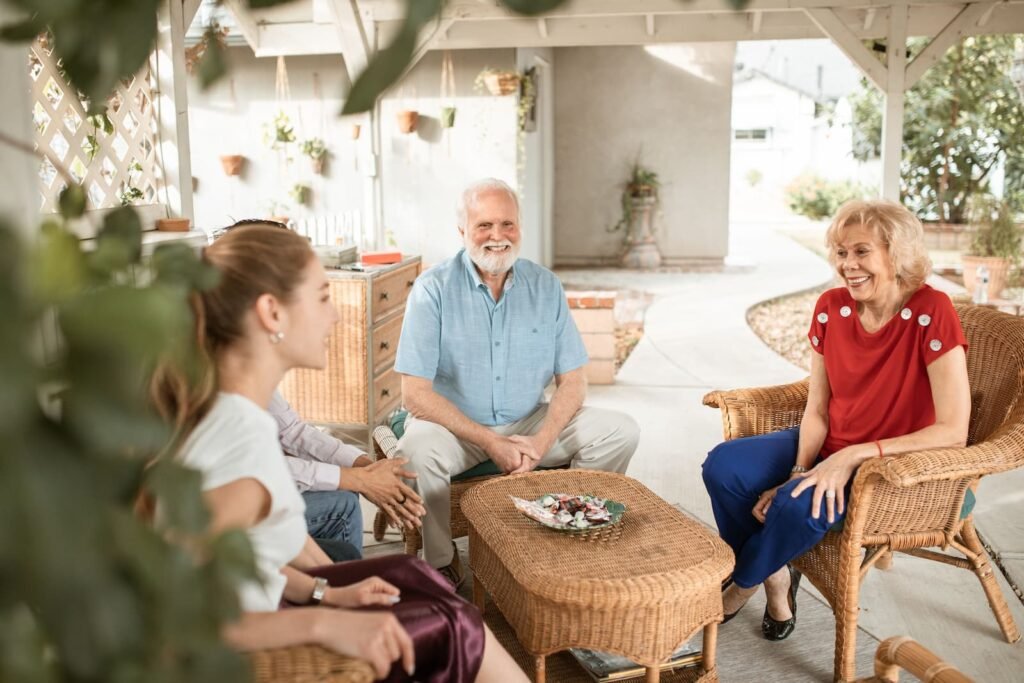
What usually shifts that view isn’t an argument about cost. It’s seeing the alternative. When a family holds a celebration of life somewhere that actually meant something, with the music that person loved and people telling stories about them properly, the question of respect answers itself. Most people leave saying it was more personal than any funeral they’d been to.
The result isn’t less. For a lot of families, it’s more, because it’s shaped around who that person actually was, rather than around a format they may never have wanted.
Why More Families Are Choosing This
Two things are happening at once.
The cost of a traditional funeral has risen sharply. According to SunLife’s 2026 Cost of Dying Report, the average simple attended funeral in the UK now costs £3,828, and a traditional funeral with extras can reach £4,510 or more. For many families, that’s genuine financial stress at an already devastating time.
But cost alone doesn’t explain the shift. The bigger change is cultural. Families are increasingly separating the practical part from the personal part, and finding that the personal part is better for it. Freed from the crematorium slot, the fixed twenty minutes and the hired cars, people can mark a life in a way that fits the life they’re marking.
How to Have the Conversation
When a family doesn’t want a direct cremation, these things genuinely help.
Don’t lead with the money. Even when cost is a real factor, opening with it makes the decision sound like a compromise. Lead with what the person would have wanted.
Be clear that there will still be a gathering. Most resistance dissolves the moment people realise something is being planned, not skipped. Say what you have in mind, even loosely.
Give people a role. Objections often come from feeling shut out of the decision. Ask someone to choose the music, speak, or help pick the venue, and they stop being an opponent of the plan and start being part of it.
Have it early if you can. These conversations go far better before they’re needed. A direct cremation raised for the first time in the first shocked hours after a death will nearly always meet resistance. Raised calmly over a cup of tea, months or years earlier, it usually doesn’t.
If it was their wish, say so plainly. Many people choose this for themselves precisely because they didn’t want a fuss. That’s hard to argue with, and it takes the decision off your shoulders.
What You Can Do Instead
Some families hold a celebration of life at a favourite pub, a village hall or a garden. Some scatter ashes somewhere that mattered. Some turn a small portion into a piece of memorial jewellery or a tree planted in a special place. Some keep the ashes quietly at home and mark the anniversary their own way.
There’s no correct version, and there’s no rush to decide. Our guide to what to do with ashes after cremation covers the options in detail. 
Where Celebrated Lives Comes In
Celebrated Lives is a free UK directory built for exactly this moment: after the cremation, when a family is ready to decide how they want to mark a life.
Whether that’s a celebrant, a scattering service, memorial jewellery, a keepsake, or something quietly personal, we connect families with the people who do this work with care. Browsing is free and there’s nothing to sign up for.
If your family doesn’t want a direct cremation yet, the most useful thing you can show them is often not an explanation. It’s a sense of what comes next.

What to do with Ashes After Cremation UK
What to Do With Ashes After Cremation: A Guide for UK Families Losing someone is hard enough. Knowing what to do next shouldn’t be. If you’ve recently received the ashes of someone you love — or you’re planning ahead — you’re probably realising that nobody tells you what comes after. The cremation happens, the ashes are handed over, and then families are largely left to figure out what to do with cremation ashes on their own. The good news is that there are now more meaningful, personal, and beautiful ways to honour someone than ever before. Cremation now accounts for over 80% of all UK funerals, meaning more families than ever are navigating these decisions. This guide covers every main option available to UK families, from the traditional to the truly unique.
What is Direct Cremation? And What Happens to the Ashes Afterwards?
What is Direct Cremation? And What Happens to the Ashes Afterwards? In recent years, the way families in the UK say goodbye to their loved ones has changed significantly. Direct cremation has grown rapidly in popularity — but there’s still a lot of confusion around what it actually means, how it differs from a traditional cremation, and importantly, what families choose to do afterwards. Whatever type of cremation you or your family has chosen, this guide is here to help.